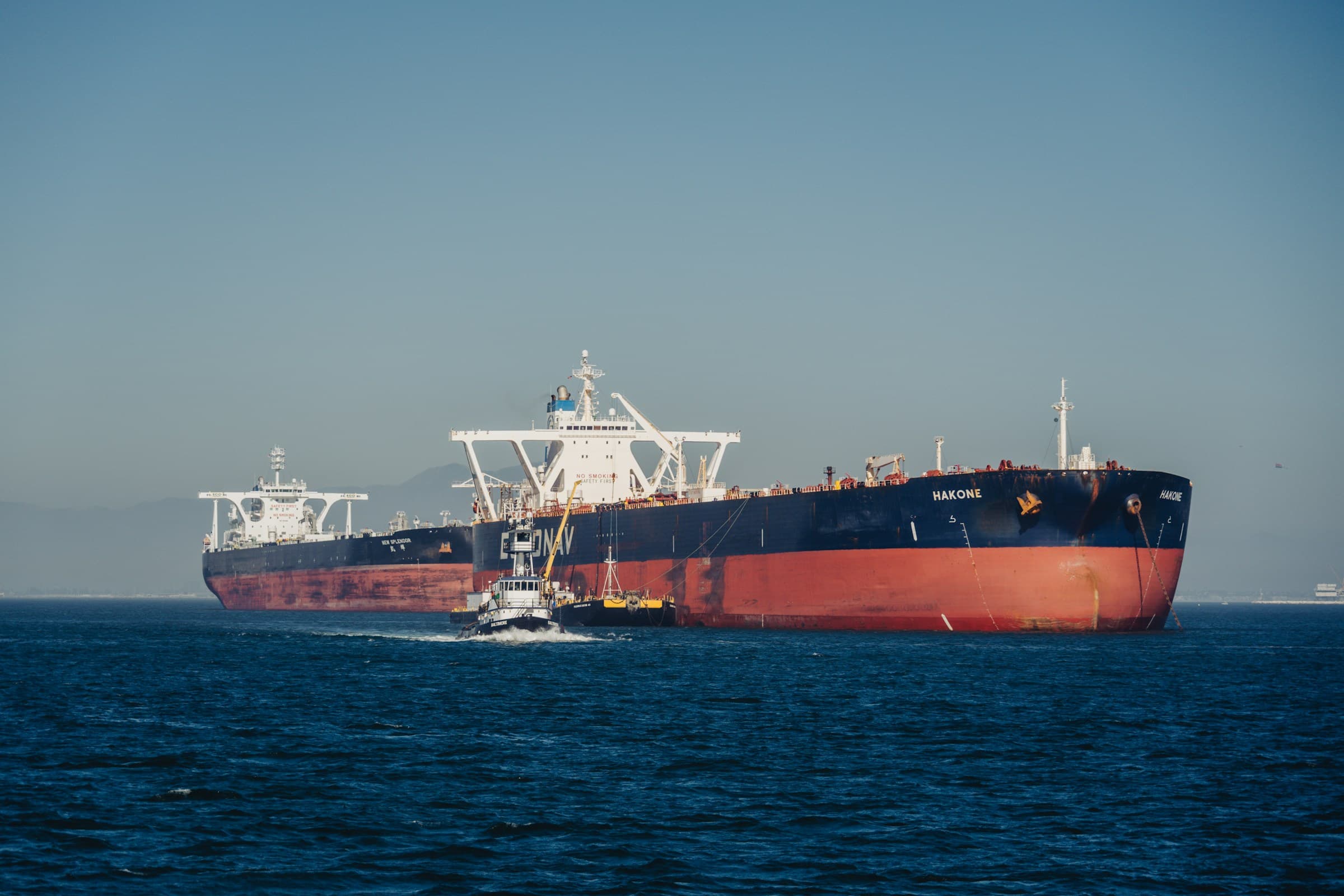
When you ship by sea to Australia, you can book a whole container (FCL, full container load) or share one with other importers (LCL, less than container load). The right choice depends mostly on volume, but also on timing and how fragile your goods are.
How LCL and FCL are charged
- LCL is charged per revenue tonne: per cubic metre or per 1,000 kg, whichever is greater. You also pay consolidation and deconsolidation (CFS) charges at each end.
- FCL is charged per container, whether it is full or not. Standard sizes are 20ft (about 33 cbm), 40ft (about 67 cbm) and 40ft high cube (about 76 cbm).
The break-even point
As a rule of thumb, LCL is cheaper below about 13 to 15 cubic metres. Above that, a 20ft container is usually cheaper, even if it is only half full. The exact point depends on the trade lane and the current rates, so ask for both quotes when you are close.
| LCL | FCL | |
|---|---|---|
| Best for | Under ~13–15 cbm | Over ~13–15 cbm |
| Pricing | Per cbm or tonne | Per container |
| Transit time | Longer (consolidation) | Faster, direct |
| Handling | Handled at both CFS depots | Sealed at origin |
| Customs risk | Shared container can be held | Only your cargo |
When FCL is worth it even for smaller volumes
- Fragile or high-value goods that you don't want handled multiple times
- Urgent stock, because FCL avoids waiting for consolidation
- Cargo that needs to go straight to your site or warehouse without depot handling
When LCL makes sense
LCL suits regular small orders, sample runs and businesses that want to keep stock levels low. It is common for sea freight from China to Australia, where weekly consolidation services run from every major port.
Not sure which to book? Send us your cargo volume and weight and we'll quote both options. See our air and sea freight services.
Related service
Worldwide Air & Sea Freight →