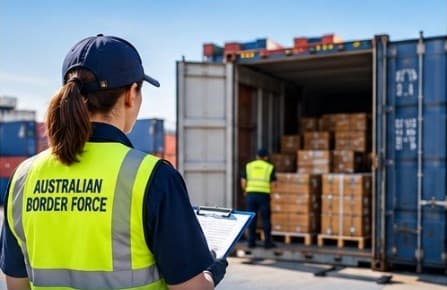
Having a shipment held at the Australian border can disrupt delivery schedules, increase storage costs and create uncertainty for your business. Whether you are importing commercial goods, machinery, food products or general merchandise, delays can affect customers, production and inventory planning.
Cargo may be held because authorities require additional documentation, information, inspections or evidence that the goods meet Australian import requirements. A delay does not automatically mean that your shipment has been rejected or seized. The reason needs to be identified before the next steps can be determined.
This guide explains common reasons cargo may be held at Australian customs and what importers can do to address the issue.
1. Incomplete or Incorrect Import Documentation
One common cause of clearance delays is missing, inconsistent or inaccurate paperwork.
Depending on the shipment, documents may include:
- Commercial invoice
- Packing list
- Bill of lading or air waybill
- Import declarations and supporting information
- Certificates, permits or other evidence required for specific goods
- Country-of-origin documentation where applicable
Differences in product descriptions, quantities, declared values, weights or consignee details may prompt requests for clarification.
How to help prevent delays: Check that the invoice, packing list and transport documents are consistent. Provide accurate descriptions of the goods, their value, quantities and relevant product details.
2. Incorrect Customs Classification or Valuation
Imported goods must be classified under the applicable tariff system. Classification can affect duty rates, restrictions and other import requirements.
Authorities may also seek clarification about the declared customs value, transaction details, freight costs or other valuation information.
An incorrect tariff classification or unsupported valuation may require further review.
How to help prevent delays: Provide a detailed description of the product, its materials, intended use and relevant technical specifications. Where classification is uncertain, seek advice from a qualified customs broker.
3. Biosecurity Risks and Import Conditions
Australia has strict biosecurity requirements designed to protect its agriculture, environment and economy from pests and diseases.
Depending on the goods and their origin, a shipment may require documentary checks, inspection, treatment or other measures. This is particularly relevant to certain food products, plant materials, timber, animal products, soil-contaminated equipment and packaging containing regulated materials.
The Australian Department of Agriculture, Fisheries and Forestry provides the Biosecurity Import Conditions system, known as BICON, to help users identify conditions that may apply to particular goods.
How to help prevent delays: Check applicable import conditions before shipping. Obtain required permits and certificates, confirm packaging requirements and ensure that any required treatment or inspection arrangements are addressed.
4. Missing Permits or Regulatory Approvals
Some goods cannot be imported freely or may require specific approvals before they can be released.
Requirements depend on the product and circumstances. Certain food products, chemicals, medicines, wildlife-related goods, telecommunications equipment and other regulated items may be subject to additional controls.
Sending goods before confirming the requirements can result in delays, additional expenses or other regulatory consequences.
How to help prevent delays: Verify whether your products require permits, licences, approvals or additional declarations before dispatch. Do not assume that a supplier's ability to export a product means it can automatically be imported into Australia.
5. Your Customs Broker Has Not Adhered to the Regulations
Customs clearance involves detailed documentation, accurate declarations and compliance with applicable Australian requirements. Errors or omissions during the preparation and submission of an import declaration can lead to requests for information or further review.
However, a delay alone does not prove that a customs broker has made a mistake. Authorities may also hold cargo for inspections, biosecurity concerns, risk assessment or other reasons outside the broker's control.
How to help prevent delays: Work with an experienced customs broker, provide complete information promptly and ask for clarification if a declaration or compliance issue arises. Importers should also understand their own responsibilities and ensure that the information supplied to their broker is accurate.
6. Customs or Biosecurity Inspection
Some shipments are selected for examination or require inspection because of the type of goods, documentation, risk indicators or applicable import conditions.
An inspection may involve checking documents, examining the goods or verifying whether specific requirements have been met.
Inspection timelines vary. Additional action may be necessary if discrepancies, contamination or compliance concerns are identified.
How to help prevent delays: Ensure the goods are accurately described and packed appropriately. Provide any requested documents or information as soon as possible and follow the instructions issued by the relevant authority.
7. Outstanding Charges or Delivery Arrangements
A shipment may have cleared a particular regulatory stage but still be awaiting payment, terminal processing, delivery booking or the completion of another required step.
Storage, demurrage, detention and other charges may apply depending on the shipment, service terms and circumstances. These charges are not identical, and the applicable terms should be checked with the relevant carrier, terminal or service provider.
How to help prevent delays: Confirm which charges are outstanding, identify who is responsible for payment and coordinate collection or delivery promptly once the cargo is eligible for release.
What Should You Do If Your Cargo Is Held?
If your shipment is delayed, follow a structured approach.
Step 1: Confirm the Exact Reason
Contact your freight forwarder or customs broker to determine whether the issue relates to documentation, customs processing, biosecurity, an inspection, outstanding charges or another requirement.
Step 2: Identify the Required Action
Ask which documents, corrections, permits, payments or inspections are needed. If an authority has issued a formal notice, follow the instructions and applicable deadlines.
Step 3: Submit Accurate Information
Provide the requested information promptly. Avoid submitting incomplete or contradictory documents, as this may create further questions.
Step 4: Monitor the Shipment
Request status updates from your freight provider and check whether any additional action is required. Keep relevant correspondence and records together.
Step 5: Review the Process for Future Shipments
Once the issue is resolved, identify what could be improved before the next shipment. This may include earlier document checks, better supplier communication or reviewing import conditions before dispatch.
How a Freight Forwarder and Customs Broker Can Help
A freight forwarder coordinates the movement of goods, while a customs broker assists with customs declarations and clearance requirements within the scope of their services.
Depending on the provider, these services may be offered together or coordinated through separate businesses. A suitable logistics partner can help identify documentation gaps, explain the next steps and coordinate communication with relevant parties.
However, no provider can guarantee that every shipment will avoid inspection or be released within a particular timeframe.
How Venture Freight Can Support Your Shipment
Venture Freight provides international freight forwarding and customs brokerage services for businesses moving goods across borders. Planning the shipment and checking documentation early can help identify potential issues before goods arrive.
If your cargo has been delayed, discuss the shipment details, the notice or status information received, and any outstanding requirements with your logistics provider.
Planning an import into Australia? Contact Venture Freight to discuss your freight and customs clearance requirements.
Conclusion
Cargo can be held at the Australian border for several reasons, including incomplete documentation, classification or valuation questions, biosecurity requirements, inspections and outstanding processing steps.
The most effective response is to establish the precise reason, address the requirement promptly and review the process before future shipments. Working with an experienced freight forwarder and customs broker can help your business manage these requirements more effectively.
Related service
Licensed Customs Brokerage →