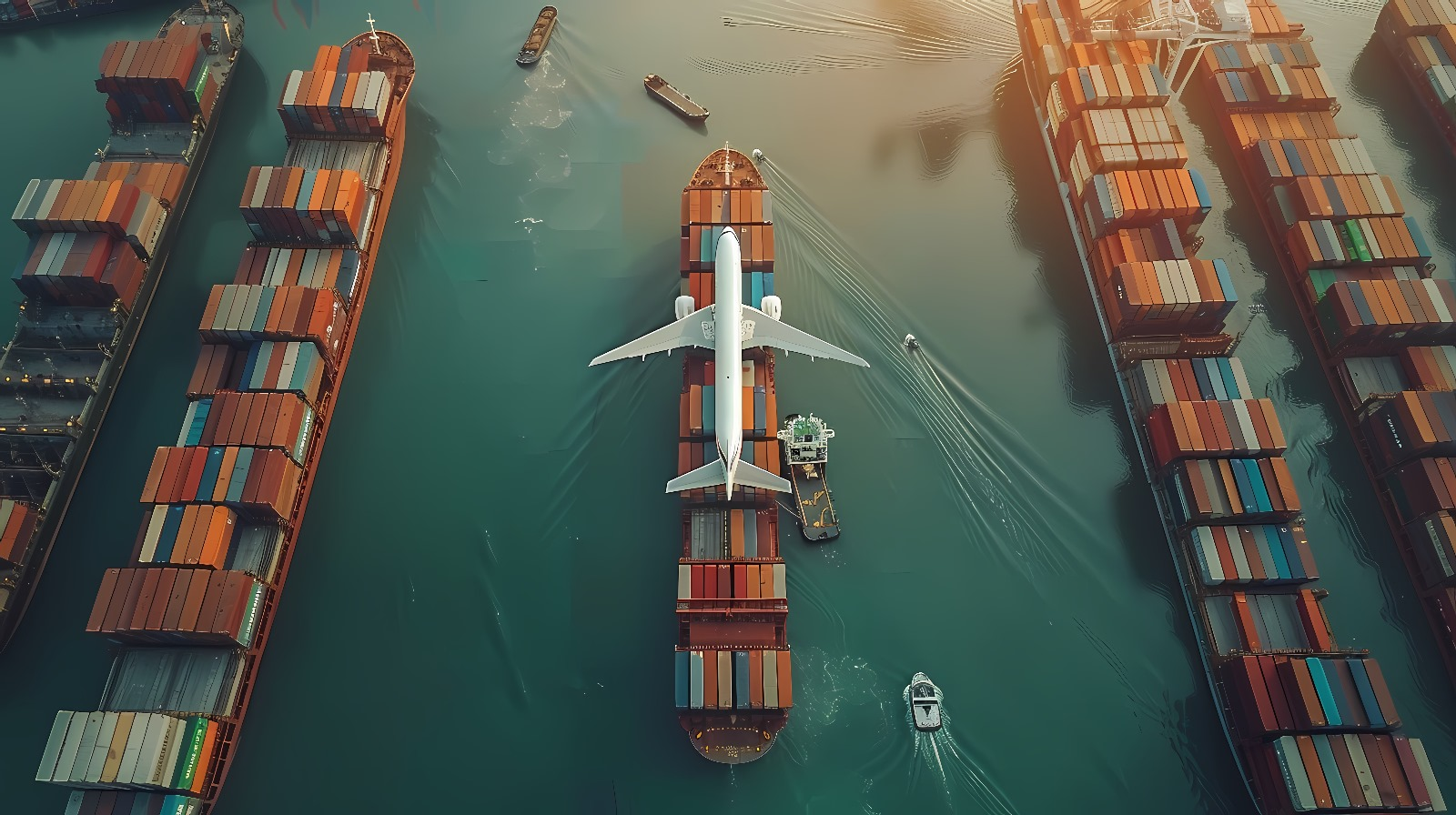
Importing goods into Australia is straightforward once you know the steps. Most delays come from the same few problems: missing documents, a wrong tariff classification, or goods that needed a permit or treatment before they shipped. This guide walks through the process from choosing a supplier to delivery at your door.
1. Check whether your goods are restricted
Some goods are prohibited or need a permit before they can be imported. Food, plant and animal products, timber, soil-contaminated machinery, some chemicals, therapeutic goods and weapons all have extra conditions. Check biosecurity conditions in the Department of Agriculture's BICON database, and see our guide to import permits in Australia.
2. Agree on Incoterms with your supplier
Incoterms decide who pays for and controls each part of the journey. FOB (free on board) is the most common choice for Australian importers, because you control the international freight and can compare rates. EXW gives you even more control, while CIF and DDP leave the freight to your supplier, often at a higher hidden cost.
3. Estimate your landed cost
Your landed cost is the goods price plus freight, import duty, GST and local charges. Use our import duty calculator for a first estimate, then ask a customs broker to confirm the tariff classification.
4. Book the freight
Choose air freight for urgent or high-value goods and sea freight for larger volumes. For sea freight, compare LCL and FCL based on your shipment size. Your freight forwarder books the space, collects the goods from the supplier and sends you the shipping documents.
5. Prepare the import documents
- Commercial invoice, showing the seller, buyer, goods description, value and Incoterm
- Packing list, with weights, dimensions and packaging
- Bill of lading (sea) or air waybill (air)
- Packing declaration, confirming the packaging meets biosecurity rules
- Certificate of origin, if you want to claim a free trade agreement rate
- Import permit or treatment certificate, if your goods need one
6. Customs clearance and biosecurity
For goods over AUD 1,000, a full import declaration is lodged with the Australian Border Force. A licensed customs broker classifies the goods, calculates duty and GST, and manages any biosecurity inspection. Once duty and GST are paid and biosecurity is cleared, the goods are released.
BMSB season: goods shipped from target countries between 1 September and 30 April may need treatment for brown marmorated stink bug. Plan ahead, because untreated cargo can be refused entry.
7. Delivery to your door
After release, your goods are collected from the port or airport and delivered to your premises, or to a 3PL warehouse for storage and distribution. For containers, remember to return the empty container on time to avoid detention charges.
Venture Freight handles every step of this process for Australian importers from offices in Melbourne, Sydney and Perth. See our import and export services or contact us for a quote.
Related service
Import & Export Services Australia →